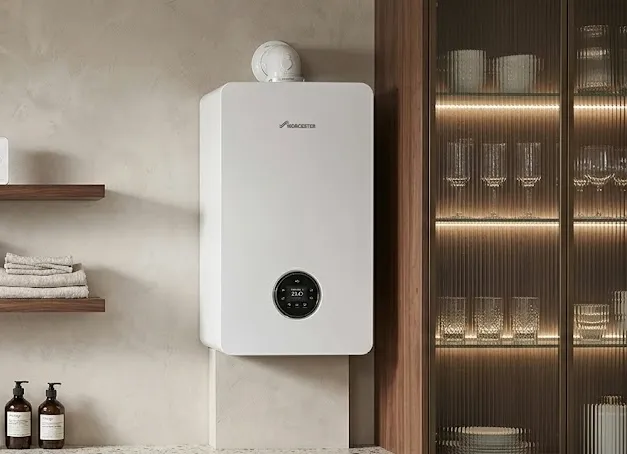
Boiler installation
Fixed-price combi, system, regular and LPG boiler installs across Edinburgh and the Lothians.
See install detailInstall route
Boiler types explained — honestly
Most new boiler jobs across Edinburgh and the Lothians end up as combi installs — but not every home is a combi home. Here's an honest comparison of the four main boiler types, what each one suits, what they cost, and how to work out which one is right for your property.
20+
Years' Experience
Yes
Gas Safe
Yes
LPG Certified
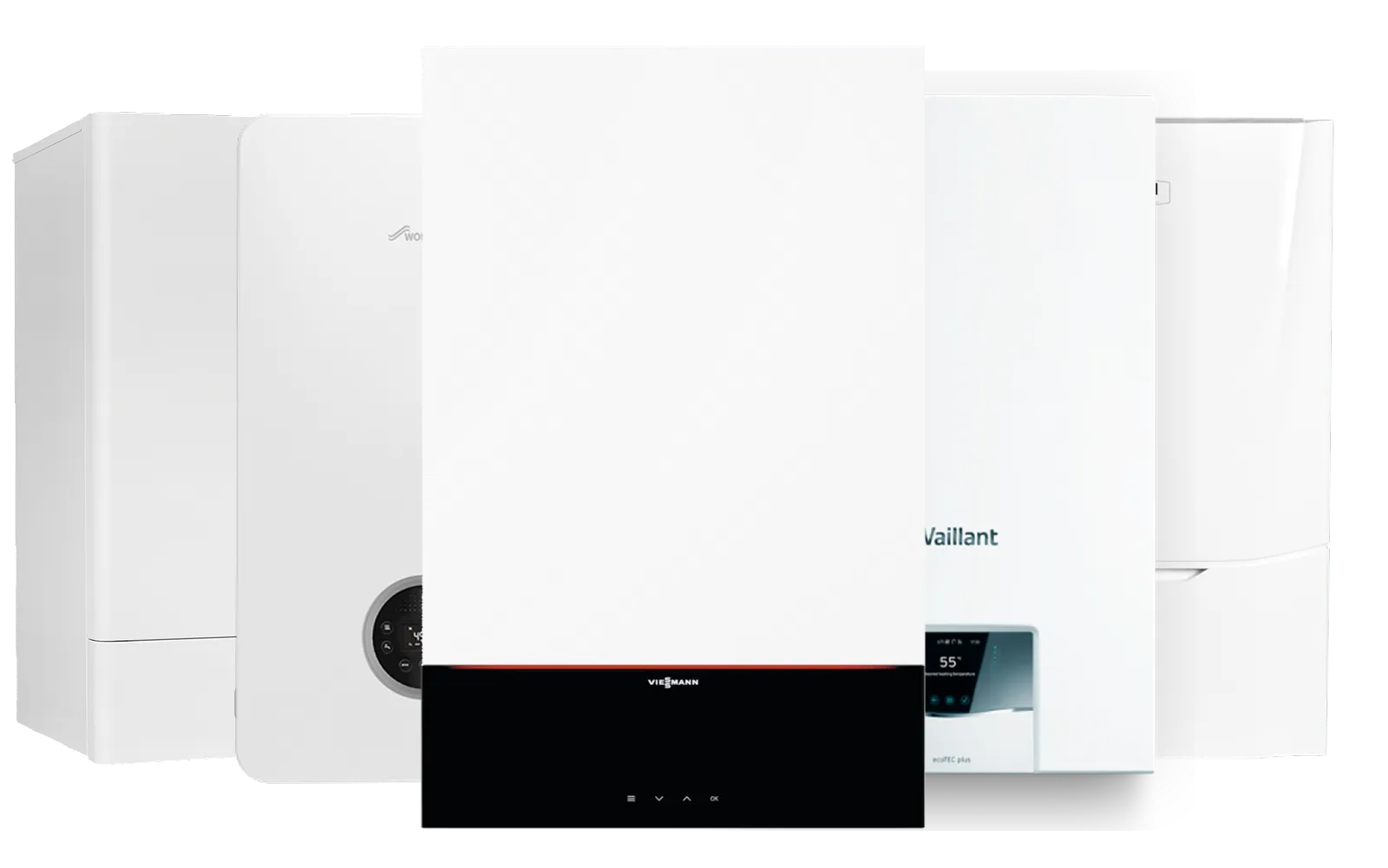
Fitted for
Flats, semis, large homes
Brands installed
Worcester, Vaillant, Ideal, Baxi
Advice given
At a free home survey
Quick Compare
A ten-second overview before the detail. Scroll down for an honest section on each, covering who it suits, what it doesn't, the install considerations, and the typical cost range we see across Edinburgh and the Lothians.
Costs are typical installed ranges for a straight replacement in Edinburgh and the Lothians. Conversions between types (e.g. regular to combi) cost more because the tank, cylinder, and pipework all change. We confirm everything in writing after a free home survey.
How To Decide
The boiler type you end up with isn't really a brand or efficiency-rating decision — it's a property decision. These are the four questions we answer at the survey before recommending anything.
One bathroom almost always means a combi. Two or more used at the same time points towards a system boiler with a properly sized cylinder.
A combi needs strong, steady pressure to perform. If yours is variable or low, a system or regular boiler feeding a cylinder is usually the better call.
Combi removes the loft tank and cylinder entirely. System removes the loft tank but keeps the cylinder. Regular keeps both.
No gas means electric or LPG. Across rural Edinburgh and the Lothians, LPG is usually the more practical off-grid option, not electric.
Most popular across Edinburgh & the Lothians
Hot water on demand, no cylinder, no loft tank — the right answer for most 1–2 bathroom homes.
A combination (combi) boiler gives you heating and hot water from one unit. It heats mains water on demand as you open a tap, so there's no hot water cylinder and no cold water tank in the loft. For most flats, terraces, and 1–2 bathroom semis across Edinburgh and the Lothians, a combi is the simplest, cheapest, and tidiest option — which is why most new boiler jobs we quote end up as combi installs.
How it works
The combi fires the moment you open a hot tap. Cold water from the mains runs through a heat exchanger inside the boiler, comes out hot, and flows straight to the tap or shower. There's no stored hot water, which means no standing heat losses and no waiting around for a cylinder to reheat.
Typical combi swap (installed)
£2,200 – £3,500
Straight like-for-like replacement in the same position. Includes magnetic filter, flush where needed, controls, and warranty registration.
Suits
Less ideal when
Install considerations
Larger homes with multiple bathrooms
Pair with a hot water cylinder so two or more outlets can run at once without losing flow.
A system boiler works with a hot water cylinder but — unlike a traditional setup — doesn't need a cold water tank in the loft. Most of the key components (pump, expansion vessel) are built into the boiler itself, which makes for a tidier installation than a regular boiler. System boilers are the right answer in larger homes, houses with two or more bathrooms running at the same time, and anywhere you need reliable strong flow to more than one outlet.
How it works
The boiler heats water and circulates it through the radiators for heating, and through a coil inside the hot water cylinder to heat the stored domestic hot water. When you open a tap, hot water comes straight out of the cylinder — so the flow doesn't drop when a second person turns on the shower upstairs.
Typical system boiler install (installed)
£2,800 – £4,200
Replacement system install with cylinder checks, controls, and any pipework changes. New cylinders are priced at survey.
Suits
Less ideal when
Install considerations
Traditional setups in older properties
Still the right answer for older properties with an existing loft tank, cylinder, and low mains pressure.
A regular boiler — also called a heat-only, conventional, or open-vent boiler — is the traditional layout most older Edinburgh tenements, stone-built semis, and rural Lothian properties were originally fitted with. It works with a separate hot water cylinder in the airing cupboard and a cold water tank in the loft. It's rarely our first recommendation for a new-build job, but for the right property it's often cheaper and less disruptive than ripping the existing setup out.
How it works
Cold water feeds into a storage tank in the loft, drops down to the cylinder under gravity, and is heated by the boiler through a separate loop. A feed-and-expansion tank — also in the loft — keeps the heating circuit topped up. Low-tech, simple, and works well on low mains pressure where a combi or unvented system would struggle.
Typical regular boiler replacement (installed)
£2,800 – £4,200
Straight heat-only replacement working with existing tank and cylinder. New cylinders or tank replacements are quoted separately at survey.
Suits
Less ideal when
Install considerations
Off-grid option — flats and no-gas properties
Silent, compact, and useful where there's no gas supply. Higher running costs, but worth considering in the right situation.
An electric boiler uses mains electricity to heat water for central heating and, in most setups, a hot water cylinder. There's no flue, no gas supply, no combustion, and no annual Gas Safe service. That makes them useful in flats, park homes, rural properties with no gas or LPG supply, and small buildings where installing gas infrastructure isn't practical. The catch is running cost — electricity per kWh is typically 3–4× the cost of mains gas, so they only make sense in the right property.
How it works
Water in the heating circuit passes through an electric heating element inside the boiler and is pumped around the radiators. For hot water, a similar element heats the cylinder directly, or the boiler feeds a separate cylinder. Simple, reliable, no flue needed — but the kWh cost is the deciding factor on whether it suits your property.
Typical electric boiler install (installed)
£1,800 – £3,500
Straight electric boiler install. Final cost depends on kW output, controls, and any consumer-unit upgrades required.
Suits
Less ideal when
Install considerations
Changing Type
A big share of our install work is conversions — regular to combi, regular to system, or system to combi — where the existing setup doesn't really suit how the household uses hot water any more. A conversion is usually a two-day job rather than a one-day swap, because tanks, cylinders, and pipework all need to change.
Conversion install (installed)
Typical range for a conversion between boiler types across Edinburgh and the Lothians. Includes tank or cylinder removal, pipework changes, new boiler, and all the standard extras (filter, flush, controls, Gas Safe notification, warranty registration).
Also Useful
Whether you're after a full install, a repair, an annual service, or an off-grid LPG setup, the same Gas Safe team handles the whole journey.
Fixed-price combi, system, regular and LPG boiler installs across Edinburgh and the Lothians.
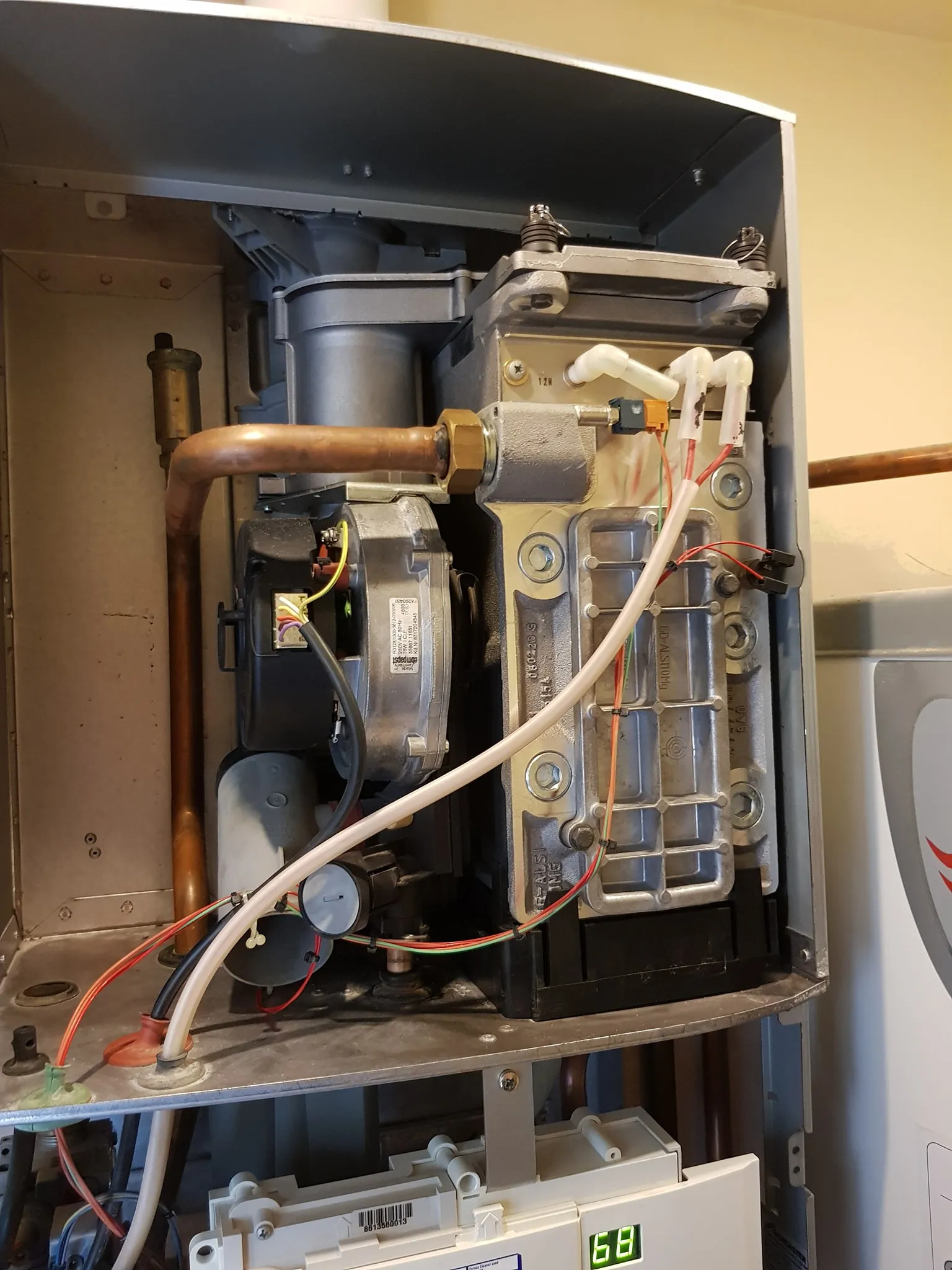
Same-day diagnosis and repair on combi, system, regular, and LPG boilers when something isn't right.
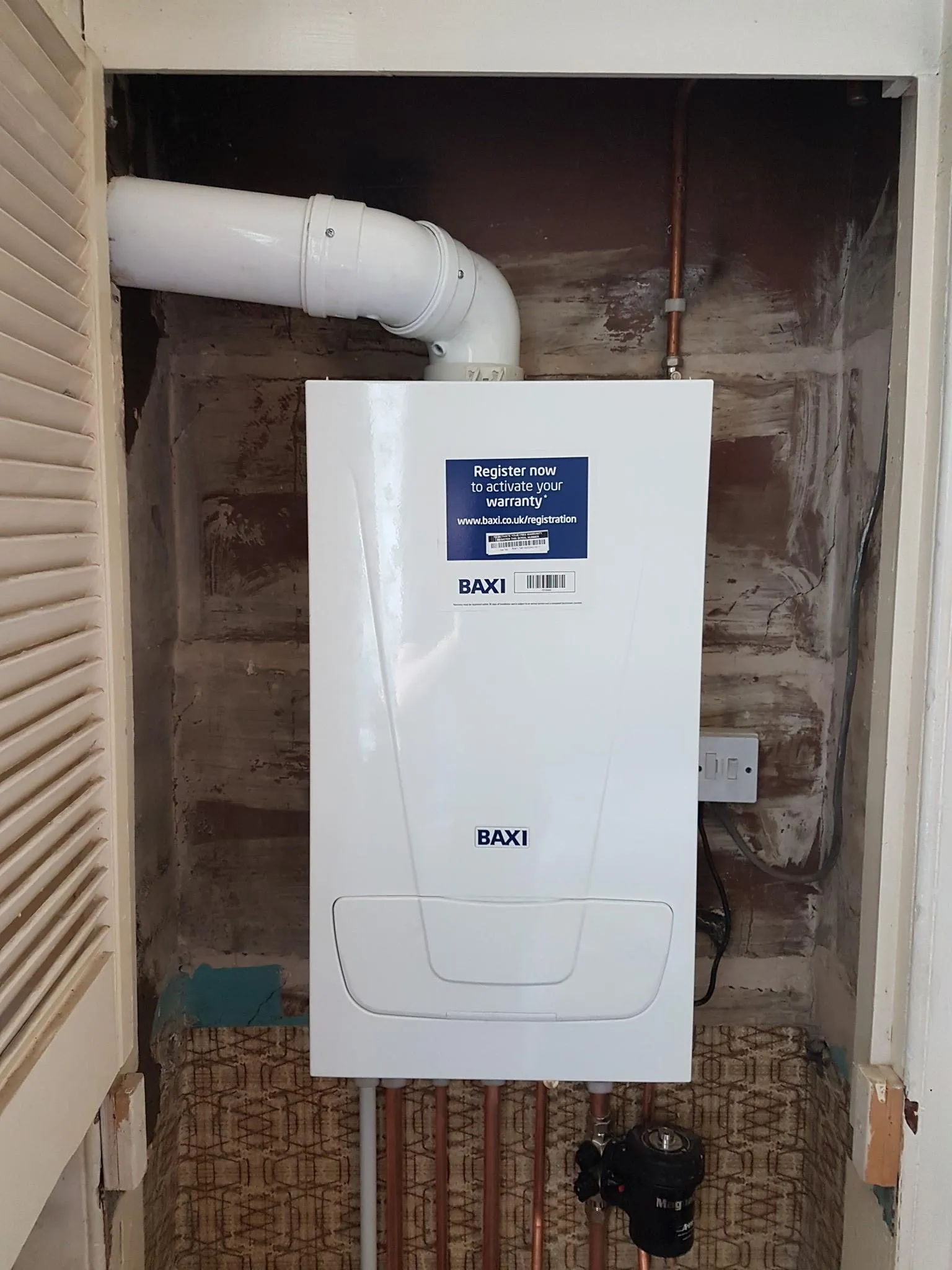
The usual answer for off-grid properties across rural Midlothian, East Lothian, West Lothian and the Pentlands.
Boiler Type FAQs
Short, honest answers on choosing between combi, system, regular, and electric — plus the cost and timing questions that come up next.
What Comes Up Most
Combi, system, regular, and electric — quick differences
Which boiler type suits your property and water demand
Typical installed cost by boiler type
When conversion from one type to another makes sense
Want advice for your exact property?
The right boiler type depends on your bathrooms, mains pressure, and how you use hot water. Call us and we'll talk it through properly, or book a free home survey.
For most Edinburgh homes, a new combi boiler installed starts from around £2,200 and typically runs to £3,500, depending on the brand, model, and how much pipework needs changing. System and regular boiler installs start from around £2,800 and run to £4,200 with a standard vented cylinder, or £3,500 to £5,500 where a mains-pressure unvented cylinder is fitted. Replacing an old back boiler typically runs £2,800 to £4,000. These are typical Edinburgh ranges rather than a quote — we give a fixed written price after a free survey.
Book your free survey
A free home survey from a Gas Safe engineer — we'll check your mains pressure, hot water demand, and layout, then recommend the boiler type that actually fits your property. No hard sell, no upselling the most expensive option.